

Cash cycles usually analyze the cash flow in much more depth and tell a company how well they can manage their cash flow, while an operating cycle involves how efficiently the stock flows in and out. The main difference of a manufacturer and a merchandiser the operating cycle of a company is is that a manufacturer purchases and converts raw materials, parts or components into another product which is physically different in form. A merchandiser, on the other hand, purchases and sells finished goods without making any physical and functional changes to the product. In short, the manufacturer creates the product and the merchandiser buys them for resale.
LO4 – Use an adjusted trial balance to prepare financial statements.
Remember, your operating cycle is not static; it requires continuous attention and adaptation to changing market conditions. By implementing the strategies outlined in this guide and staying vigilant, you can achieve a more efficient operating cycle, setting your business on the path to financial success. Introduction of the finished products to the market through sales initiatives. Efficient distribution channels and timely deliveries to meet customer demands. In the next step, we will calculate DSO by dividing the average A/R balance by the current period revenue and multiplying it by 365.

Cash Operating Cycle Formula
- For example, a $50,000 truck that is expected to be used by a business for 4 years will have its cost spread over 4 years.
- Conversely, a business may have fat margins and yet still require additional financing to grow at even a modest pace, if its operating cycle is unusually long.
- A short operating cycle indicates better liquidity, whereas a longer cycle means cash is tied up in operations.
- Divide the cost of products sold by the average inventory to calculate a company’s inventory turnover.
- Companies need to manage their inventory and collect payments to have enough cash on hand.
- The ultimate understanding of a company’s cash cycle will reveal how well it manages its cash flow.
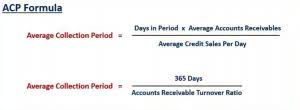
The accounts receivable collection period represents the average number of days it takes for a company to collect payment from double declining balance depreciation method its customers after a sale has been made. It provides insights into the effectiveness of a company’s credit and collection policies, as well as its ability to manage outstanding receivables. Understanding and managing your operating cycle is fundamental to your business’s financial health. By efficiently handling inventory, accounts receivable, and accounts payable, you can shorten your cycle, improve cash flow, and boost profitability.
Learn More more about HighRadius’s Accounts Receivable Software

The purpose of calculating the operating cycle is an assessment of the business efficiency in managing bookkeeping the operations. On the other hand, the purpose of the cash conversion cycle is to assess how fluently the cash flows in and out of business. The performance of these calculations enables the business to calculate the operating cycle as these are the components of the cash conversion cycle. The business can improve its operating cycle by increasing the efficiency of the value-adding process.
- One of the best examples of a company with the ideal operational efficiency is Toyota.
- Issues like production delays, excess stock, or lenient credit terms can all contribute to a longer cycle, affecting cash flow.
- If this same company decides to purchase merchandise on credit, Accounts Payable is credited instead of Cash.
- When we add up both these durations, we get the length of the operating cycle.
- The operating cycle measures the efficiency of a company’s management and its ability to manage its working capital.
For instance, for the retail industry, it may be short, while for the manufacturing industry, it might be longer due to production times. On the other hand, the cash conversion cycle is about the management of the cash. It considers all the factors that impact the cash, including time of holding inventory, collection of the receivables, and time is taken to pay off the cash to the suppliers. So, a payment factor to the suppliers is added in the calculation of the cash conversion cycle. Similarly, operating cash flow can be converted into the cash conversion cycle by deducting the time business takes to pay their supplier.